Sustainable Home Maintenance: Roof Repair Strategies for an Uncertain Future
Planning for Long-Term Roof Performance
Your roof represents one of the largest investments in your home’s infrastructure. In Spokane, Washington, where weather patterns shift dramatically between seasons, maintaining that investment requires strategic planning and proactive intervention. The question isn’t whether your roof will need attention—it’s when, and how you’ll address it.
Climate volatility is increasing maintenance demands across all regions. Spokane homeowners face wet winters that promote moss and algae growth, followed by dry summers that can crack and warp roofing materials. This cyclical stress accelerates deterioration and shortens roof lifespan if left unmanaged.
Identifying Problems Before They Escalate
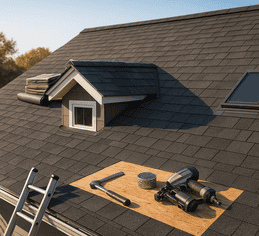
Roof damage follows predictable patterns. Small issues compound into major failures when ignored. A missing shingle allows water penetration. That water saturates underlying materials. Rot develops in the decking. Insulation loses effectiveness. Interior damage follows.
Common warning signs include:
- Granule accumulation in gutters indicating shingle degradation
- Moss or algae growth creating moisture retention zones
- Curling or buckling shingles exposing underlayment
- Daylight visible through roof boards from the attic
- Water stains on ceilings or along exterior walls
Regular inspections catch these problems early. Schedule professional assessments twice annually—once after winter storms and again before fall rains begin. This timeline allows you to address damage before weather conditions worsen existing issues.
Moss Removal as Preventive Maintenance
Moss presents a specific challenge in the Pacific Northwest climate. It thrives in damp, shaded conditions and retains moisture against roofing materials. This constant dampness degrades shingles, lifts edges, and creates entry points for water infiltration.
Removal timing matters. Spring offers ideal conditions—moss is actively growing and easier to remove, while weather allows for thorough treatment and drying. Waiting until summer means dealing with dormant moss that’s harder to extract completely. Fall delays push the problem into winter when conditions worsen.
Professional removal delivers better outcomes than DIY approaches. Pressure washing damages shingles by stripping protective granules. Manual scraping risks tearing materials. Chemical treatments require proper application rates and safety protocols. Professionals understand these variables and adjust methods accordingly.
Material Selection for Durability
Repair quality depends heavily on material choices. Matching existing materials maintains aesthetic consistency, but upgrades may offer better performance. Asphalt shingles dominate Spokane roofing due to cost-effectiveness, but architectural shingles provide enhanced durability. Metal roofing offers superior longevity but requires different installation expertise.
Consider these factors when selecting materials:
- Expected lifespan versus upfront cost
- Warranty coverage and exclusions
- Compatibility with existing roof structure
- Energy efficiency ratings and reflectivity
- Maintenance requirements over time
Budget constraints often drive decisions, but calculating total cost of ownership changes the equation. A premium material costing 40% more but lasting twice as long delivers better value than repeated cheap repairs.
Strategic Repair Versus Full Replacement
Determining whether to repair or replace requires honest assessment. Repairs make sense when damage affects less than 30% of the roof surface and the remaining materials have useful life remaining. Beyond that threshold, full replacement typically provides better value.
Age plays a critical role. A ten-year-old roof with localized damage warrants targeted repairs. A twenty-five-year-old roof showing multiple problem areas needs replacement regardless of current damage extent. Attempting to extend a roof beyond its design life through repeated repairs wastes money and risks interior damage.
For homeowners in the Spokane area dealing with moss-related damage or preventive maintenance needs, professional guidance helps clarify the best path forward. If you’re uncertain about your roof’s condition or need expert assessment, click here to connect with specialists who understand regional challenges and can provide actionable recommendations.
Implementing a Maintenance Schedule
Reactive maintenance costs more than preventive care. Establishing a regular maintenance schedule extends roof life and prevents emergency repairs during inconvenient times.
Annual maintenance should include:
- Gutter cleaning to ensure proper drainage
- Debris removal from roof surfaces and valleys
- Flashing inspection around chimneys and vents
- Sealant checking on exposed fasteners
- Documentation of roof condition with dated photographs
This schedule creates a maintenance record that proves valuable when filing insurance claims or selling your home. It demonstrates responsible ownership and can support warranty claims if materials fail prematurely.
Working with Qualified Contractors
Contractor selection determines repair outcomes. Licensing, insurance, and local references matter more than low bids. Unlicensed contractors disappear when problems arise. Uninsured workers create liability exposure. Companies without local references may lack regional expertise.
Request detailed written estimates that specify materials, labor costs, timeline, and warranty terms. Compare at least three bids to understand market rates. Unusually low bids often indicate substandard materials or shortcuts that compromise longevity.
Verify completion timelines and payment schedules. Never pay in full upfront. Standard practice involves a deposit, progress payments tied to completion milestones, and final payment after inspection confirms satisfactory work. Ensure any contractors you hire follow OSHA safety guidelines to protect workers and minimize liability risks during roofing projects.
Preparing for Climate Uncertainty
Weather patterns are shifting. Spokane has experienced increased precipitation variability and temperature extremes. These changes stress roofing systems in new ways. Preparation means choosing materials rated for expanded temperature ranges and ensuring drainage systems can handle heavier rainfall events.
Consider upgrading ventilation during repairs. Proper attic ventilation regulates temperature and moisture levels, reducing stress on roofing materials. Ridge vents, soffit vents, and attic fans work together to create airflow that extends roof life.
Your roof protects everything beneath it. Strategic maintenance, timely repairs, and quality materials ensure that protection continues regardless of what weather conditions develop. The investment you make today prevents far larger expenses tomorrow.
Building a More Sustainable Future with APPLE-NC
Welcome to APPLE-NC (Alliance for a Post-Petroleum Local Economy), a website dedicated to sharing information, ideas, and educational resources related to sustainable communities, local economies, environmental stewardship, and long-term resilience.
Our mission is to provide thoughtful content that explores practical approaches to building stronger communities while encouraging responsible use of natural resources and innovative solutions for the future.
As communities around the world adapt to changing economic, environmental, and energy challenges, interest continues to grow in topics such as sustainability, local development, renewable energy, conservation, and community planning. Understanding these subjects helps individuals, organizations, and local leaders make informed decisions that support lasting prosperity.
Throughout this website you’ll find articles covering topics such as:
- Sustainable community development
- Local economies and regional resilience
- Renewable energy and clean technologies
- Environmental conservation and stewardship
- Resource management and energy efficiency
- Community planning and urban development
- Climate resilience and sustainable practices
- Environmental policy and emerging research
- Educational resources for individuals and organizations
Whether you’re interested in environmental topics, community initiatives, sustainable business practices, or innovative approaches to local development, APPLE-NC aims to provide reliable, accessible information that encourages learning and informed discussion.
Our collection of resources will continue to grow as we publish new articles covering sustainability, environmental innovation, resilient communities, and the evolving ideas shaping a more sustainable future.
Thank you for visiting APPLE-NC. We invite you to explore our expanding library of educational content and return often as we continue building a valuable resource for readers interested in sustainability and community development.
Post Carbon Cities arrives on APPLE’s doorstep
— APPLE reviews new guidebook for local government responses
Are we entering a new phase? Peak Oil has been our topic of choice for the last few years – and several recent scientific opinions indicate we may have already passed the global production peak and may now be on the early edge of the heavy effects – yes, now, in 2008. Will we be seeing more and heavier effects in the rest of this year?
(to learn more about possible effects of Peak Oil, don’t take our word for it – find dozens of references on our Links page)
Whether or not we are currently feeling the peak, APPLE is currently gearing up its plans to help relay the message to a more focused audience, including local government: We just recieved a fresh new copy, hot off the press, of Post Carbon Institute’s new guidebook titled “Post Carbon Cities: Planning for Energy and Climate Uncertainty”.
From the book’s web site, www.postcarboncities.net:
Post Carbon Cities: Planning for Energy and Climate Uncertainty is the first major guidebook on peak oil and global warming for people who work with and for local governments in the United States and Canada. It provides a sober look at how these phenomena are quickly creating new uncertainties and vulnerabilities for cities of all sizes, reviews how “early-actor” cities are already responding to peak oil, and recommends what steps local decision-makers can take to begin addressing these unprecedented challenges.
Post Carbon Cities fills an important gap in the resources currently available to local government decision-makers on planning for the changing global energy and climate context of the 21st century.
Visit www.postcarboncities.net to view the Executive Summary and Table of Contents, and to download a free abridged preview.
“Post Carbon Cities is an exceptionally clear and comprehensive call-to-action to those who actually work in the trenches of city governance. We don’t have any more time to waste getting ready for an energy-scarcer future, and for those who remain dazed and confused, this book is an excellent place to start.” –James Howard Kunstler, author of The Long Emergency and The Geography of Nowhere
Stop Junk Mail, Save the World!
If you want to support APPLE while you stop your junk mail and don’t have a lot of time, you can check out 41 Pounds today!
An average of 41 pounds of junk mail is sent to every adult citizen each year. Approximately 44% of this mail goes into a landfill unopened.
For $41 ($18 of which you can have donated to APPLE) they will contact over 30 direct marketing organizations and catalog companies and instruct them to remove your name from their distribution lists. This includes almost all credit card applications, coupon mailers, sweepstakes entries, magazine offers, insurance promotions, as well as any catalogs you specify. Their service lasts five years. They have been able to stop between 80% – 95% of this type of mail. You can sign up online or by phone – when you do, just be sure to select APPLE as your designated non-profit group from their list.
If you have more time than money, you can do much of this yourself: click here for details.
APPLE News Feed Reader goes live!
— Auto-updated news now available from APPLE
Tired of stale content on the APPLE page? (Must be a volunteer webmaster…)
Here are some new web features that we think you’ll like: scrolling headlines at the top of the home page, and an entire new page full of news feeds from Peak Oil and Renewable Energy news sources (click the Orange in the top left, or select News Feeds from the Info menu).
Both of these update themselves frequently, and you can see the article summary just by holding your mouse over the headline. Not getting this functionality? Try updating your web browser (we’ve tested this on browsers from five or more years ago), or contact the webmaster at [email protected]. Let us know what you think!